What is embodiment?
Or rather, what are embodiments
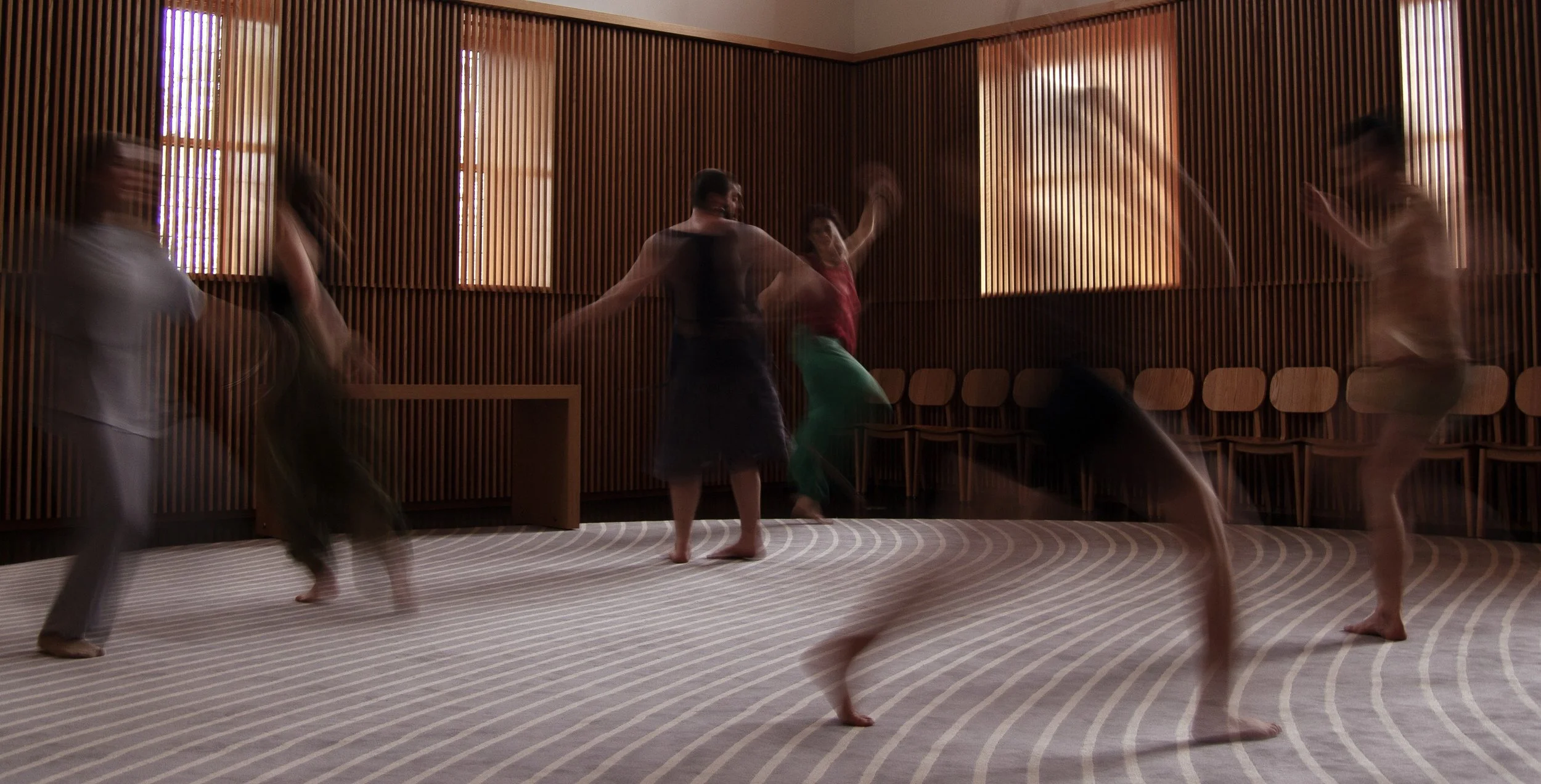
Photo Credit: Lu Testa 2025
Recently, while having coffee with a mentor, I was discussing Embodied Inquiry when she asked,
“What is embodiment? How do you define it?”
I found myself at a loss—not because I didn’t have an answer—but I’ve been so consumed with getting into our dance going in a new space that I felt unprepared to respond.
After some reflection, I realized it was difficult because the question didn’t match my answer. Instead of “what is embodiment?,” I wanted to answer:
What are embodiments?
I think embodiment is or should be understood as layered perspectives. It’s like those old anatomy books where you can understand the body by flipping through each transparent page, ultimately getting a sense of how these systems work together.
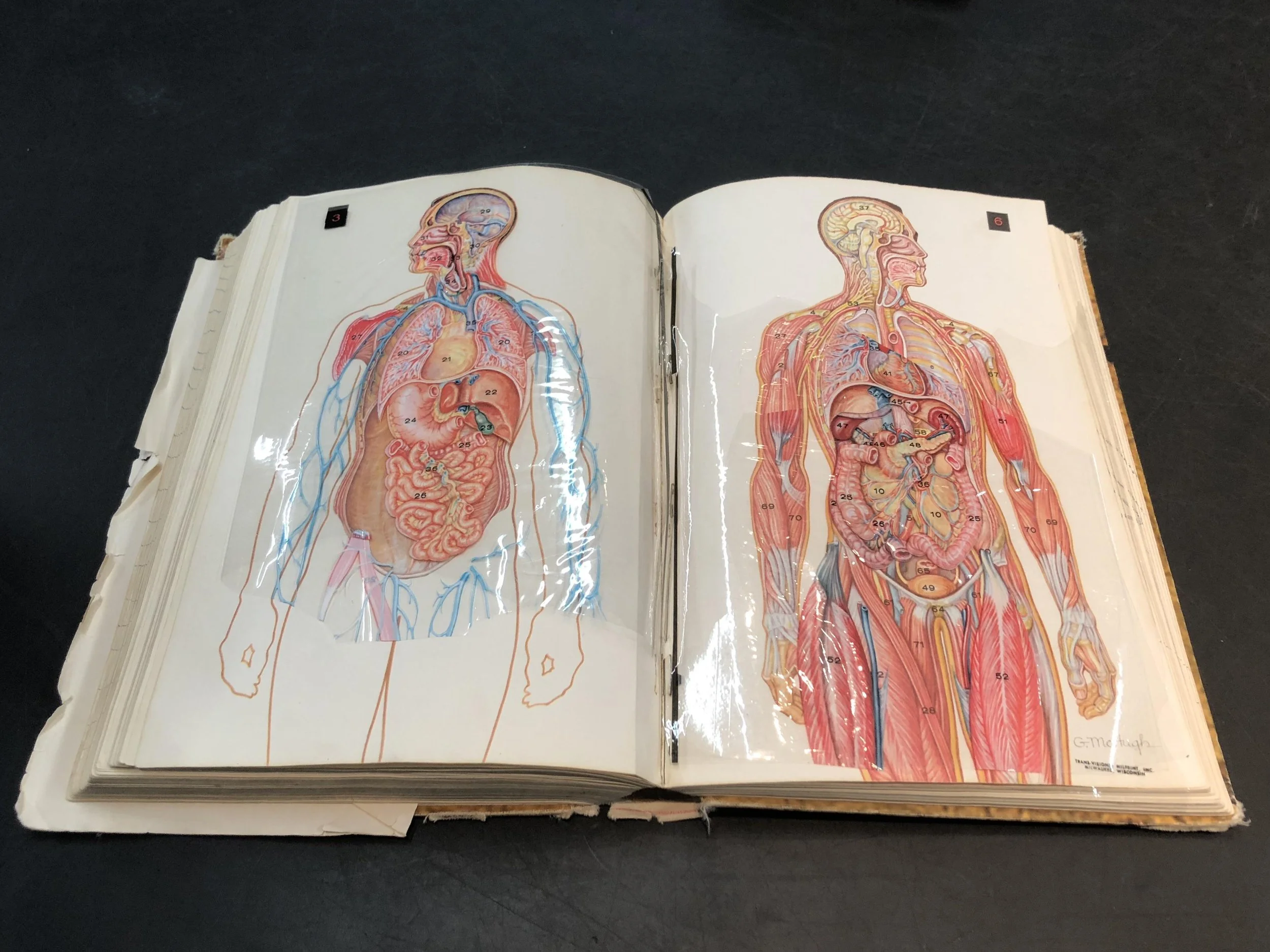
If embodiment is the experience of sensing and understanding through and from the perspectives of the body, then there are many embodiments. And there are far more layers than those in old anatomy books, perhaps the potential range of embodiments is endless. How we experience our bodies and body-selves is always multiple.
The Dutch ethnographer and philosopher Anna Marie Mol is, first of all, amazing. She is a philosopher who bases her philosophical work in field research. This means she goes into the world to observe what people are doing and writes philosophy from that perspective. For her book, The Body Multiple, she spent years in a hospital studying patients with one disease. What she found was that within the hospital, a single patient’s body was understood and treated in completely different ways. One body, in just a single context, was multiple bodies. She writes:
This book tells that no object, no body, no disease, is singular. If it is not removed from the practices that sustain it, reality is multiple. This may be read as a description that beautifully fits the facts. But attending to the multiplicity of reality is also an act. It is something that may be done—or left undone.
Like the hospitalized body, our dancing bodies are also multiple. Every dance offers the potential for a range of embodiments.
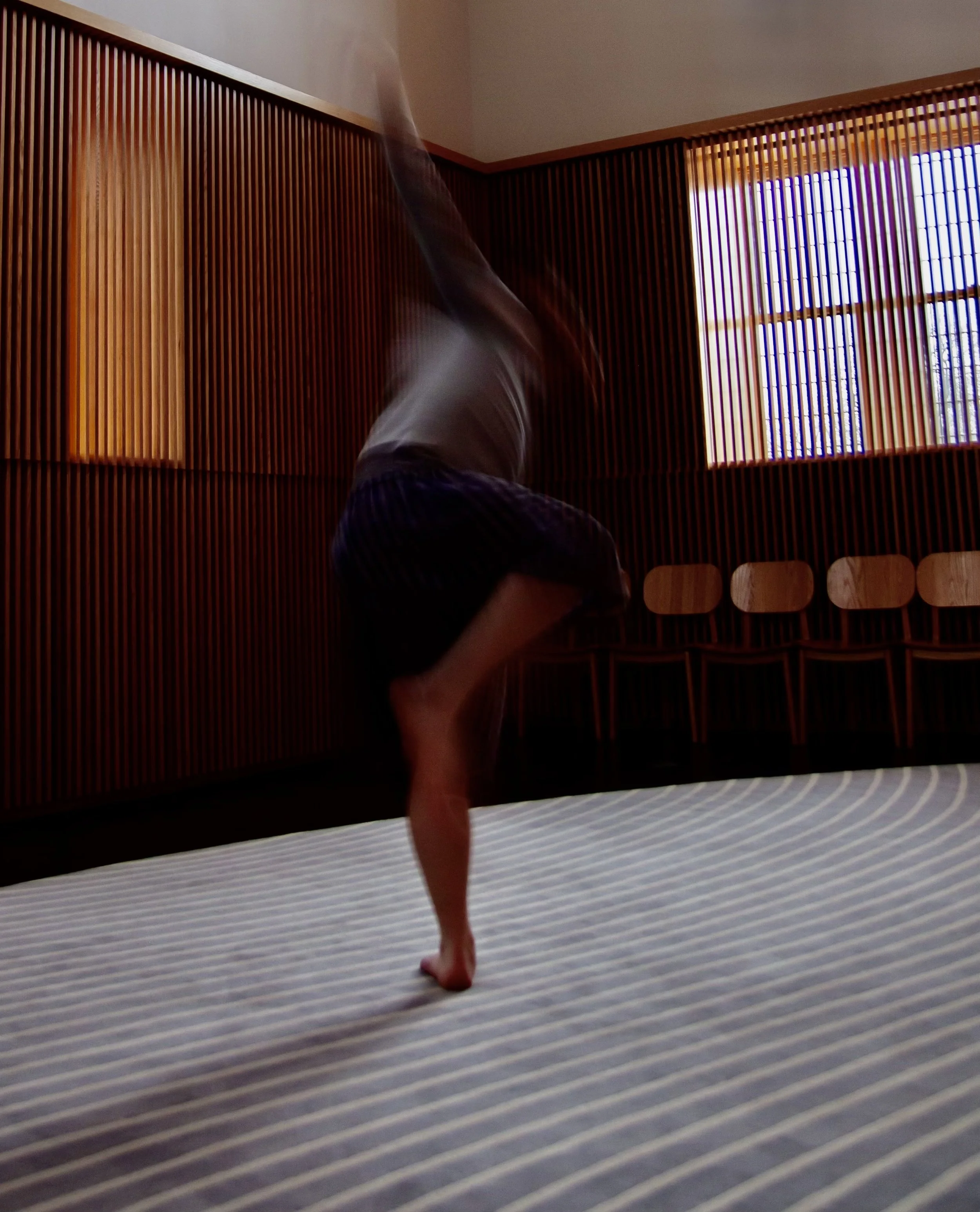
Photo Credit: Lu Testa 2025
For instance, last month, Rebecca discussed how we can transform through subtle experiences of the imaginative body.
We might also think about embodiment in those moments when the whole room feels like it's dancing together, and we become a collective body. What is embodiment when our body is one aspect of a group body?
We might also consider the political body and how our social locations (such as age, gender, race, etc.) influence our experience of the dance floor.
There are so many ways to understand embodiment. I plan to write more about some of them December newsletter.
But why is it important to recognize that embodiments are multiple?
Because how we think about the body ultimately shapes how we experience it.
For many years, I believed embodiment was just about being mindful of the physical sensations in my body. This meant the practice was feeling my feet, their bones and flesh, the air on my skin, or the movement of my spine.
But sometimes, on the dance floor, my imagination would ignite, and my sense of my body, my embodiment shifted. While I’d still feel my physical feet, I’d also experience another lighter, more subtle sense of my body as something else: a cloud drifting through space, an imp with a long tongue, a creature with wings.
These experiences were rich and meaningful, but I pushed them away because they weren’t “embodied.” I ignored them to focus on feeling my physical hips. The only thing that counted as the body was the physical material body, so embodiment could only mean paying attention to that.
When I finally expanded my idea of embodiment, I had to mourn the fact that I had ignored potent experiences for years because they didn’t fit my view of embodiment.
As part of a robust movement practice, your invited to reflect:
What does embodiment mean to you?
Which experiences are “embodied” and which are not? Why?
When does embodiment begin and end? How do you know this?
Why is it important to be “embodied”?
What kinds of embodiments are important to you?
I’ve created a survey where you can actually offer answers!
Next month, I will write about a variety of ideas about embodiment. It would be lovely to include some of your thoughts.
